

Wealth
AI Scams: How to Protect Your Money
The scam landscape uses AI voice clones, deepfakes, and automated phishing. Learn the family verification protocol and rules to protect your wealth and elders from digital scams.
Investing is not gambling. If you can open a bank account, you can invest.
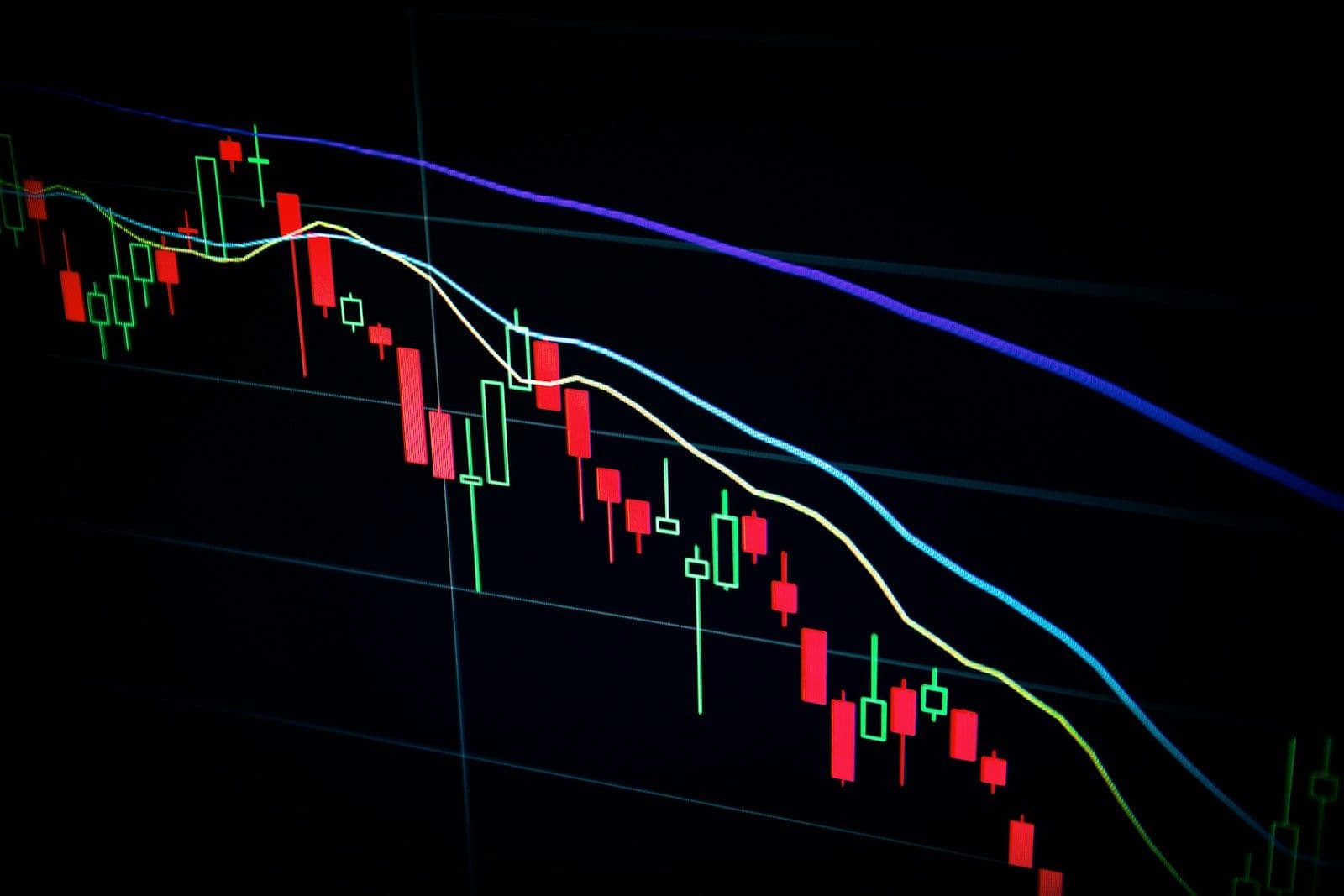

Your money is losing value right now. If inflation averages 3% and savings pays 0.5%, you lose 2.5% annually.
At 7%: $200/month for 30 years = $227,000 (you contributed $72,000). That difference is compound interest.
Key takeaway
Savings lose value to inflation. Investing harnesses compound growth.
Step 1: Emergency fund + no high-interest debt.
Step 2: Open a low-cost brokerage.
Step 3: Automatic monthly contributions (even $50).
Step 4: Buy a broad market index fund.
Step 5: Do nothing. Time is your advantage.
Key takeaway
Five steps: foundation, brokerage, automate, index fund, patience.
Investing is not gambling. It is not for the rich. And it is not as complicated as Wall Street wants you to believe. If you can open a bank account and set up a recurring transfer, you can invest.
This guide covers everything a complete beginner needs to know — from why your savings account is quietly losing value to exactly how to buy your first index fund. No finance degree required.
---
### The Inflation Problem
Your money is losing value right now. If inflation averages 3% per year and your savings account pays 0.5%, you are losing 2.5% of your purchasing power every year.
$10,000 today will buy you only $7,400 worth of goods in 10 years if left in a savings account. That is not saving — it is slow-motion losing.
### The Compound Interest Solution
Investing puts your money to work. Historically, the stock market has returned an average of 7–10% per year over long periods. At 7% return:
The difference between what you put in and what you get out? That is compound interest — money making money on its money.
---
### Stocks
A stock is a tiny piece of ownership in a company. When the company grows, your piece becomes more valuable. When it shrinks, your piece loses value. Individual stocks are risky because one company can fail.
### Bonds
A bond is a loan you give to a government or company. They pay you interest. Lower risk than stocks, but lower returns. Good for stability.
### Index Funds (Your Best Friend)
An index fund is a basket of hundreds or thousands of stocks. Instead of picking one company, you own a piece of the entire market.
Why this matters: 90% of professional fund managers fail to beat the market over 15 years. An index fund gives you the market return automatically, with minimal fees.
### ETFs
Exchange-Traded Funds work like index funds but trade like stocks. Low fees, easy to buy, excellent for beginners.
---
### Step 1: Get Your Foundation Right
Before investing, ensure you have:
### Step 2: Open a Brokerage Account
Choose a low-cost brokerage. Look for:
### Step 3: Set Up Automatic Monthly Contributions
Decide an amount you can invest every month without stress. Even $50 counts. Set up automatic transfers from your bank account on payday.
### Step 4: Buy a Broad Market Index Fund
For most beginners, a single S&P 500 index fund or a total stock market index fund is enough. You are instantly diversified across hundreds of companies.
### Step 5: Do Nothing
Seriously. Do not check it daily. Do not panic when it drops. Do not sell during a downturn. The market has recovered from every crash in history. Time is your greatest advantage.
---
### Risk Is the Price of Growth
If an investment cannot lose value, it also cannot gain meaningful value. The question is not "how do I avoid risk?" but "how much risk can I handle while still sleeping well?"
### The Sleep-Well Test
If you would lose sleep watching your portfolio drop 20%, you have too much in stocks. Adjust your mix of stocks and bonds until you find a level where market drops make you shrug, not panic.
### Dollar-Cost Averaging
By investing the same amount every month regardless of market conditions, you automatically buy more shares when prices are low and fewer when prices are high. This removes the impossible task of "timing the market."
---
---
### The 10-Year Rule
Investing is a minimum 10-year commitment. Money you need within 5 years should stay in savings. The stock market fluctuates in the short term but has never lost money over any 20-year period in history.
### Your Investment Timeline
These are guidelines. Your personal timeline depends on your goals, risk tolerance, and financial situation.
---
This week:
This month:
Related Articles:
You don't need a lot of money to start. Many brokerage platforms allow you to start investing with as little as $5 to $100 using fractional shares and low-cost index funds.
All investing carries some risk, but investing in diversified, low-cost index funds over a long period (10+ years) has historically proven to be one of the most reliable ways to build wealth and outpace inflation.
About the author

Personal Finance Writer & Business Professional
Keep reading
The scam landscape uses AI voice clones, deepfakes, and automated phishing. Learn the family verification protocol and rules to protect your wealth and elders from digital scams.
Asset allocation drives over 90% of your portfolio's long-term returns. Learn how to allocate among equities, debt, gold, and cash, rebalance your assets annually, and avoid chasing last year's winners.
Bear markets are inevitable, but selling at the bottom is the main engine of the behavior gap. Learn loss aversion psychology, write a pre-commitment letter, and discover what to do during a drawdown.