

Wealth
AI Scams: How to Protect Your Money
The scam landscape uses AI voice clones, deepfakes, and automated phishing. Learn the family verification protocol and rules to protect your wealth and elders from digital scams.
Financial markets are volatile by nature. Discover how to stay grounded and make logical investment decisions when everyone else is panicking.
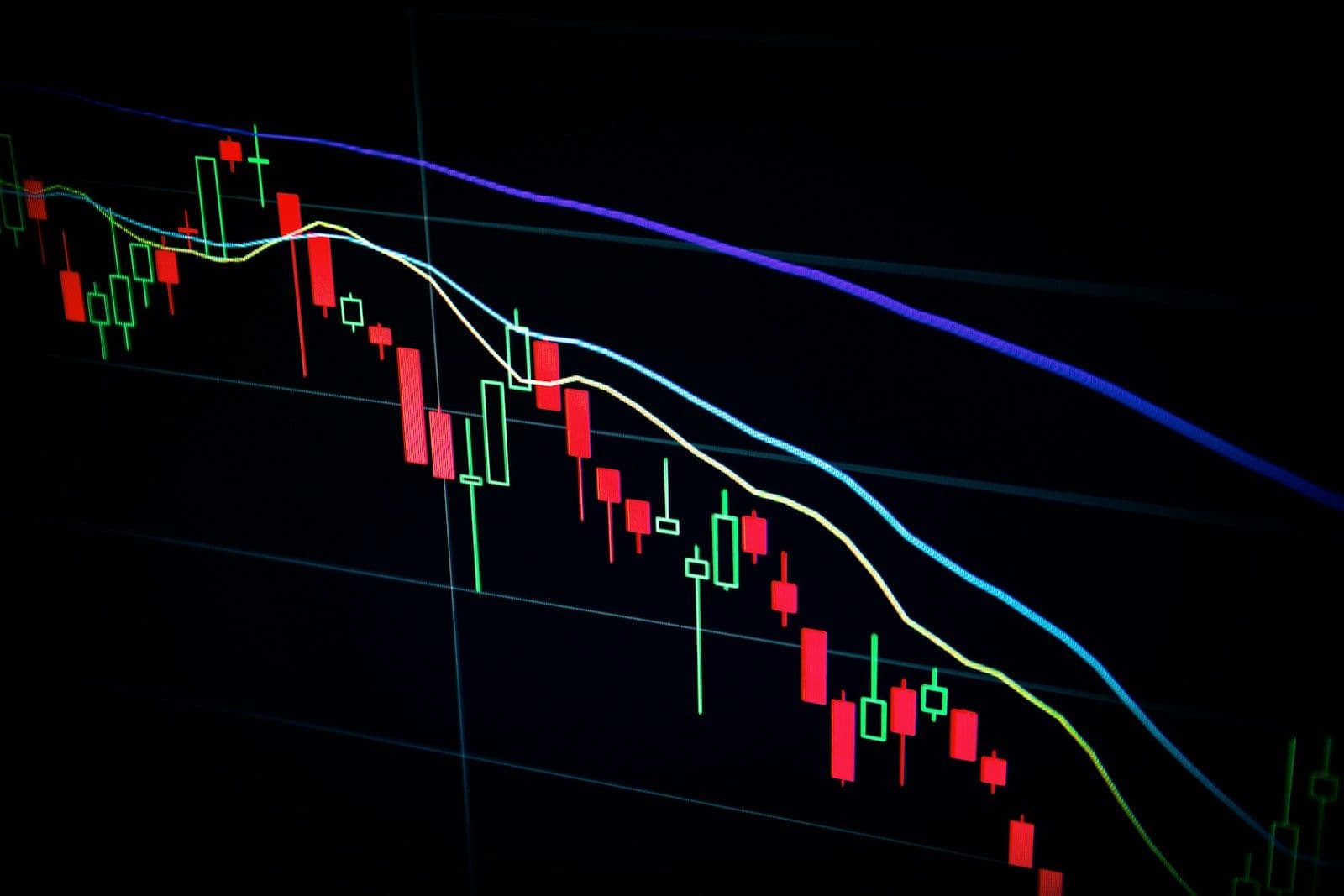

When the stock market drops, the amygdala—the emotion center of your brain—treats it as a physical threat. Your heart races, your palms sweat, and your instincts scream "run!" This physiological response is terrible for investing.
The key to successful investing isn't having the smartest strategy; it's having the emotional discipline to stick to your strategy when your brain is screaming at you to abandon it. By recognizing your bodily responses to financial news, you can observe the panic without acting on it.
Key takeaway
Your brain treats financial loss like a physical threat. Recognizing this is the first step to overcoming it.

If you are losing sleep over your investments, you have taken on too much risk. Period. A "Sleep-Well" portfolio is balanced in a way that aligns with both your financial goals and your nervous system.
This means keeping an adequate emergency fund in cash so you never have to sell investments out of desperation. It means diversifying so a single company's failure doesn't ruin your life. When your foundational safety is secured, your mind can remain calm through the market's inevitable storms.
Key takeaway
Design your investments to prioritize mental peace over chasing the highest possible returns.
When the stock market drops by 10% in a week, your rational brain (the prefrontal cortex) knows that market corrections are normal and temporary. However, the emotional center of your brain (the amygdala) does not understand "market corrections." It only understands loss, danger, and scarcity. It triggers a physical fight-or-flight response, flooding your body with cortisol.
This physiological reaction makes investing inherently difficult for human beings. We are biologically wired to run away from pain (selling at the bottom) and run toward pleasure (buying at the top when everyone else is making money). To become a successful investor without sacrificing your mental health, you must learn to decouple your physiological anxiety from your financial strategy.
Mindfulness is the bridge. By learning to observe your bodily sensations—a racing heart, shallow breathing, tightness in the chest—without immediately acting on them, you create a buffer zone. In that buffer zone, the rational brain can re-engage, allowing you to make decisions based on data rather than adrenaline.
If checking your portfolio disrupts your sleep, your portfolio is misaligned with your nervous system. The goal of investing is to secure your future, not ruin your present. The "Sleep-Well" Framework ensures your money works for you while your mind rests.
1. The Bulletproof Emergency Fund
Before you invest a single dollar in volatile assets, you must build a cash buffer of 3-6 months' living expenses. This is not an investment; it is "Peace of Mind Insurance." Knowing you can survive a job loss or medical emergency without selling your stocks at a loss dramatically reduces everyday financial anxiety.
2. Radical Diversification
Anxiety spikes when your financial future is tied to one company, one sector, or one country. Diversification across global index funds ensures that the failure of one business is merely a blip on your radar, not a catastrophe. You are betting on the progress of human civilization, not the success of a single CEO.
3. The Asset Allocation Dial
Your ratio of stocks (high growth, high volatility) to bonds (low growth, low volatility) should reflect your emotional tolerance for loss. If a 20% drop in portfolio value would cause you unbearable stress, you must dial down the stocks and dial up the bonds, even if it means sacrificing some potential returns. Optimization is useless if you abandon the plan halfway through.
4. Automation as an Emotional Shield
Automate your contributions. When money is invested automatically every month, you do not have to make the emotional choice of whether it's a "good time" to buy. You simply buy the market consistently, effectively neutering the urge to time the market based on fear or greed.
Anxiety thrives in a vacuum of context. When the news screams "Unprecedented Crash," your mind projects that the system is collapsing permanently.
Grounding yourself in financial history is a powerful mindfulness practice. The stock market has survived World Wars, pandemics, hyperinflation, and the Great Depression. In every single instance, the market eventually recovered and reached new all-time highs. When you study history, a market crash transforms from an existential threat into a predictable, cyclical event. You expect the storms, and because you expect them, you are not traumatized when they arrive.
When the market drops and the urge to panic-sell arises, follow this protocol before logging into your brokerage account.
Step 1: The 24-Hour Rule
Enforce a strict rule: You may not make any changes to your portfolio within 24 hours of feeling panicked. Force yourself to sit with the discomfort. Often, the emotional wave crests and subsides within a day.
Step 2: Check the Foundation
Instead of looking at your portfolio balance, look at your emergency fund. Remind yourself: "My immediate needs are covered. I do not need the money in the market today, this month, or this year."
Step 3: Review Your Written Plan
Every investor should have a one-page written Investment Policy Statement (IPS) created during a period of calm. Read it aloud. Did your long-term goals change today? If the answer is no, your portfolio should not change either.
Take a moment to audit your true relationship with market volatility:
By answering these questions honestly, you can adjust your portfolio and your habits to support your mental wellbeing.
Follow this plan to transition from an anxious market-watcher to a grounded, mindful investor.
Week 1: Securing the Base
Week 2: The Information Fast
Week 3: Documenting the Strategy
Week 4: Activating the Autopilot
True wealth is not merely the accumulation of capital; it is the ability to enjoy that capital in peace. By aligning your investment strategy with a mindful approach, you ensure that your money serves your life, rather than your life serving your money.
About the author

Personal Finance Writer & Business Professional
Keep reading
The scam landscape uses AI voice clones, deepfakes, and automated phishing. Learn the family verification protocol and rules to protect your wealth and elders from digital scams.
Asset allocation drives over 90% of your portfolio's long-term returns. Learn how to allocate among equities, debt, gold, and cash, rebalance your assets annually, and avoid chasing last year's winners.
Bear markets are inevitable, but selling at the bottom is the main engine of the behavior gap. Learn loss aversion psychology, write a pre-commitment letter, and discover what to do during a drawdown.